In chapter 1 of Robert Coles’s novel Doing Documentary Work, Coles expresses that the ultimate goal of documentary work is to “elicit the interest of others”. While it is important for a documentarian to be able to tell a story and share a message in a way that is engaging, meaningful, and enjoyable to the public, at what cost should they sacrifice the relationship built on respect between themselves and the people they are documenting in order to make a documetnary that they percieve as being successful.
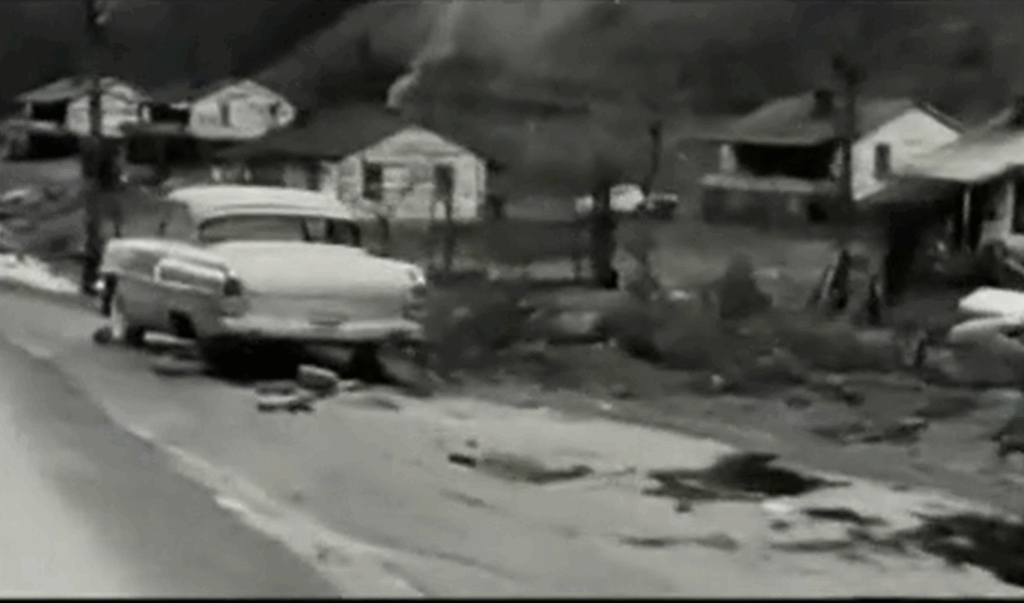
In the documentary Stranger with a Camera, this moral/ethical tension is brought up when Elizabeth Barret critisize past films documenting appalachian communities as being “insulting” stating that “when filmarkers focused only on the deprivation and didn’t look past it into the lives of the people who are the real wealth of a culture”(27:31). This moment in the documentary stuck out to me since it brings up a two-fold struggle which Barret later goes on to describe as the “relationship between social action and social embarrasment.” When the documentarian is so focused on emphasizing the struggles and bad parts of the lives of others but neglects the good parts, they might be unintentionally shaming and dehumanizing the people they are portraying. If the heart of documentary work lies within preserving and sharing the day to experiences to develop and illustrate a broader narrative, does only sharing the good or bad parts censor the people being documented and question the believability and truthfullness of the story being told? Barrett is refering to films that only want to publicize on documenting only the bad and not the good. This is when tensions arise between the filmmaker and the people being documented, since now the subjects feel misrepresented and used solely for the interests of the filmmaker. In his novel Doing Documentary Work, Coles talked with an Appalachian mother who shared that documentarians “grab at what’s not so nice, and they’re disappointed if you don’t have a lot of hurt to show them, and they’re plain happy and smiling if you have a sick one”(Coles 79). One can argue that this might make the subjects feel like being treated like Hollywood actors, while all they have agreed for is to share their story how they wish. I noticed Barrett addresses this tension (evident in the documentary work of many) in three key ways. The first and most obvious way she does this is by sharing her frustrations with past films and discussing the consequences (e.g., the 1967 death of filmmaker Hugh O’Connor) of this tension, while asking questions and empathizing with the subjects. An example of this is when Barret is reflecting on children being exploited in film and raising the question “I wonder how they felt about having their pictures on television. I wouldn’t have liked it.”(12:20). Barret also addresses this tension through making sure to recognize the good and the bad (pictures below) in an effort to provide viewers with a more comprehensive look into her story and the people she is documenting. In final consideration, Barret engages in self scrutiny when locating herself and thinking retrospectively that factors “including social status influence how people see the place they live and what they want other to see”(26:35). Barret recognizes her privileges which enables her to do the work that she does and see the world from a particular lense, yet acknowledges that her story still matters. It is the moral responsibilities of the documentarian to be able to use their power and privileges in order to share their own stories while documenting, representing, and sharing the lives of others in an ethical manner.